October 1, 2026
Gun Talk Staff
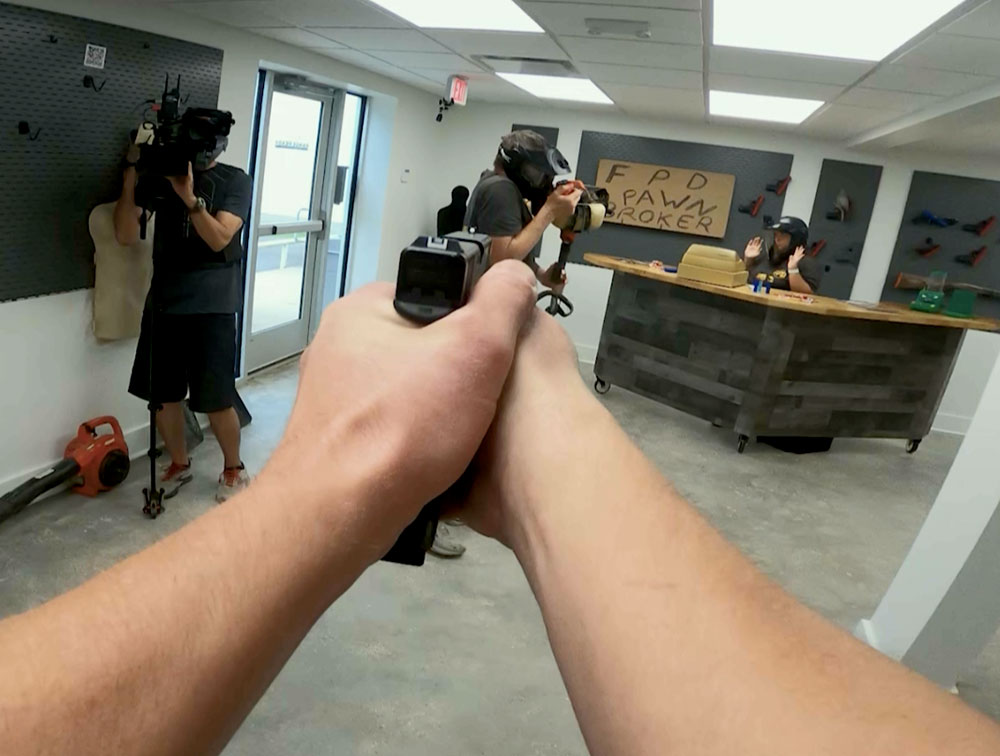
Matt co-hosts the Whiskey and Windage podcast and runs a pawn shop — guns, gold, cash — alongside his wife, who works the counter with him and carries too. His training is exactly what a lot of daily carriers have: a basic concealed carry class and one additional pistol class beyond that. He's never had to draw a firearm on a real threat. The closest he's come is brandishing a can of pepper spray once, which was enough to send a problem customer out the door.
That profile is worth sitting with, because it's not the profile of someone who's under-prepared. It's the profile of a huge number of people who carry every day: some training, no live experience, and a job that puts them in contact with exactly the kind of target criminals look for.
The setup starts small. While Matt's wife helps a customer up front, a kid at the counter gets her talking about Marvel versus DC action figures and Nintendo 64 games — harmless, until it isn't. It's a textbook distraction technique, and it does exactly what it's supposed to do: it splits attention and buys the group time to get in position.
Then it's a straight stickup — three guys, guns out, demanding the register. Matt hands over the cash, calm under pressure, doing what he's told. Up to that point, he plays it about as well as it can be played. Then, with a gun already pointed at him and the money already handed over, he goes for his own gun.
It does not go the way he needed it to. He ends up in a full gunfight, and while he puts down the threats, he takes a round to the chest doing it.
“We put him in a very difficult scenario and he had a bad trade. He tried to draw on someone that had a gun pointed at him... if you force his hand and you get shot, you have no one to blame but yourself.” — First Person Defender instructor
The value of force-on-force training isn't really in scenario one — it's in what gets unpacked afterward. A few specific, practical lessons came out of Matt's debrief that apply well beyond a pawn shop counter:
The second run raises the stakes in the way real life actually does: now Matt's wife is working the counter up front while he's in the back of the store. When the same three guys come in, the tactical picture changes completely. It's no longer just about Matt's own safety — every decision now has to account for where his wife is standing and what's in his line of fire if he moves to engage.
This time, armed with what he learned in the first debrief, Matt plays it differently. When the gun comes out on his wife, he gives a loud, clear verbal command instead of immediately closing distance or drawing blind. He waits — watching for a moment when he can actually take a safe shot without her in the way. When she drops below the counter line, that's his window, and he takes it.
The threat doesn't drop immediately. He stays on his feet for a few more seconds before going down — a detail worth sitting with on its own, since real gunshot wounds don't always produce the instant collapse movies train people to expect. Matt doesn't chase the shot or keep firing once the threat is down. He controls the scene, checks on his wife, and gets on the phone with 911.
“I thought it was a really excellent display of tactics. I liked the way that he said, ‘hey, hang on a second,’ and pushed him out of the way... he triangulated and moved and went for it.” — First Person Defender instructor, on Matt's second run
Nobody gets shot in scenario two. Not Matt, not his wife. The difference between the two runs isn't better marksmanship — it's better decision-making under the exact same kind of pressure.
Matt's own read on the experience says more than any outside analysis could: he went in thinking simple force-on-force scenarios wouldn't produce real stress, and found out he was wrong. That's the entire premise of First Person Defender — putting people who carry every day into scenarios realistic enough to expose the gap between what you think you'd do and what you actually do under pressure, without anyone getting hurt for real. Matt walked out having made real mistakes in a room where mistakes are how you learn, and came back for round two better for it.
Watch the full episode, “Pawn Shop Robbery Gone Wrong,” and if you've ever wondered what you'd actually do in a self-defense situation, First Person Defender is looking for its next guest — email KG at guntalk.com for more information.
Gun Talk's First Person Defender puts regular people into force-on-force self-defense scenarios. Putting you inside the fight to defend your life or the lives of your loved ones, First Person Defender shows you what can go wrong…and how fast it can happen.
First Person Defender Season 15 is brought to you by Colt, CZ Firearms, HK-USA, Ruger, Safariland, Shooting Sports Life, and VIKTOS.
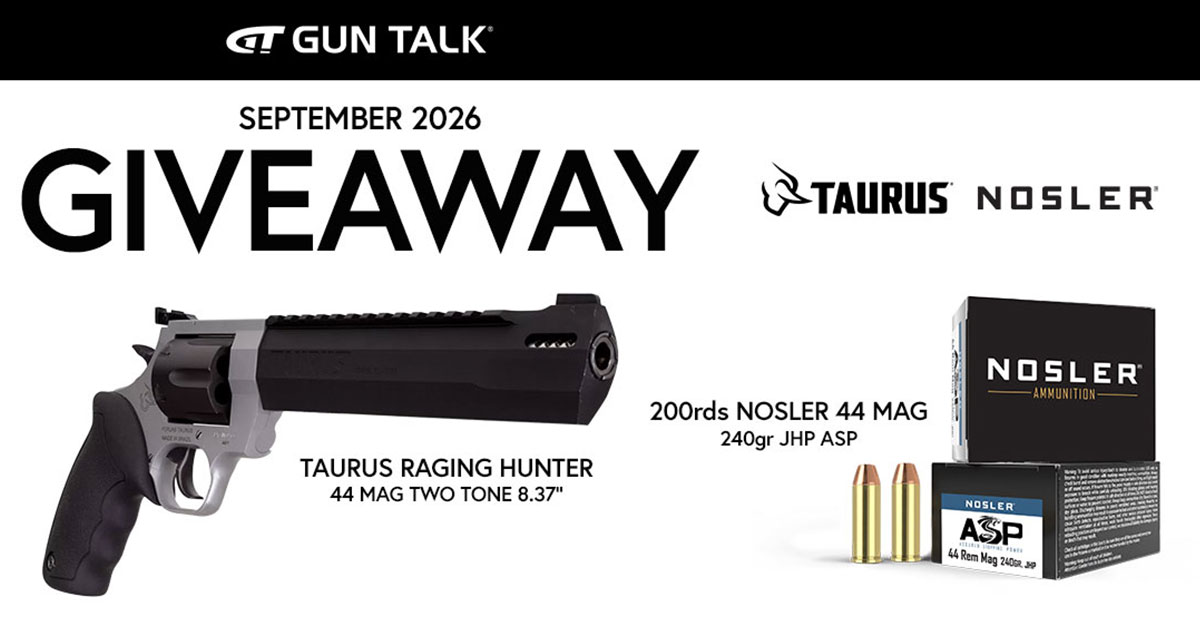
Gun Talk Giveaway
One lucky winner will bring home:
Open to U.S. residents 21+ only. Void where prohibited.